The initial hours after an arrest move swiftly. Phones ring at odd hours, family members call bail bondsmans, and somewhere in that blur a court sets problems for launch. One condition shows up regularly in cases that entail a supposed target or witness: a no-contact order. It reviews simple sufficient, yet it gets to deep right into everyday life. It manages where a person can live, who they can message, whether they can grab a youngster from college, even what they can upload on social networks. When a Bail Bonds arrangement goes into the image at the exact same time, the stakes and obligations multiply in ways that stun individuals. I have actually sat with offenders who believed "no contact" suggested "no disagreements," and with victims that assumed "no get in touch with" would block every indirect message. Neither presumption holds. This is a space where definitions, timing, and enforcement issue more than intuition.
What "no get in touch with" means in practice
A no-contact order, sometimes called a protective order, stay-away order, or order of protection relying on the jurisdiction, is a court instruction that forbids the offender from contacting a called individual or coming within a specific range of them. The language can be short or expansive, however the core is simple: no straight communication, no indirect communication via third parties, and no physical distance. Judges typically customize the order based on the truths. A garden-variety order in a violation residential situation might claim no call and a 100-yard range. A more specific variation could disallow https://abbabailbonds.com possession of weapons, forbid entrance to a common home, or restrict attendance at specific occasions like school functions.

The grey areas trigger a lot of the problem. If the secured person calls the defendant, the order still binds the offender. If the secured individual wants to integrate, the order still binds the defendant. If the offender needs to recover clothing from a common house, they have to do it with cops or court-approved aid. Social media site is no secure harbor. Suching as a protected individual's photo, tagging them, or posting coded messages can count as get in touch with. Algorithms and evidence concerns make these situations untidy, but courts do not have perseverance for technological excuses when a clear guideline exists.
No-contact orders can show up in various means. Some are provided at accusation as a problem of pretrial release. Others appear of a different civil protection case. In some cases both operate in parallel with slightly various terms. If two orders conflict, the more stringent one typically controls, yet relying upon that presumption is high-risk. Counsel needs to resolve them on the record. A bondsman needs duplicates of both, because bond forfeit can hang on the strictest reading.
Where bond fits together with a safety order
Bail is the bar that relocates a person from prison to the neighborhood while the case proceeds. It can be cash money bond, a bond published by a licensed bail bondsman, or a release on non-financial problems. When a Bail Bonds firm is involved, the surety assures the court the accused will certainly appear and follow conditions. If the accused fails, the court can forfeit the bond and the surety can look for to capture the offender under civil contract civil liberties. That is the financial foundation every person discusses, yet the day-to-day reality is compliance management.
A no-contact order ends up being just an additional term to follow theoretically, yet it shapes practical decisions. Where can the offender live if the protected individual holds the lease? Exactly how do they share child drop-offs without violating distance limitations? If the secured person works at the only grocery store around, exactly how does the offender buy food? Courts expect defense counsel to recommend convenient strategies. Bondsmen want those plans in writing since an offense can prompt a swift activity to withdraw bail and, in some courts, a high danger of forfeiture.
Several territories enable, or even anticipate, the bail bondsman to establish extra conditions prior to accepting post bond. These could include GPS monitoring, check-ins, or evidence of different housing. When the underlying situation includes declared residential violence, stalking, or witness intimidation, numerous bondsmen insist on a composed acknowledgment of the no-contact terms and a concrete relocation strategy. That is not over-cautious. The most common very early violation in these cases is a message or an unplanned doorstep see. Stopping those requires logistics, not platitudes.
The court's rate of interests and the bail bondsman's passions are not identical
In concept, everyone wants compliance. In practice, the incentives split. The court's primary worries are public safety and security, honesty of the procedure, and appearance at hearings. The district attorney tends to focus on sufferer safety and security and situation witness stability. Defense attorney wants the least limiting conditions and the client's capacity to maintain job, housing, and household ties. A Bail Bonds business respects risk. A no-contact order raises danger in two methods: the possibility of an infraction that activates revocation, and the friction that leads a client to abscond when life ends up being unmanageable. I have actually seen customers keep their task and stay steady when they relocate two streets over and mount a predictable visitation routine authorized by the court. I have actually likewise seen clients attempt to endure of an automobile for a week, get discharged, miss a court day, and collapse the whole arrangement.
Because rate of interests deviate, interaction matters. A judge will not reword a no-contact order at the demand of a bail bondsman, yet a bail bondsman's letter recording housing arrangements and check-in structure can assist persuade the court that monitored launch is sensible. If the prosecution items, having a thorough plan typically swings the disagreement far from blanket detention.
Common pitfalls that result in revocation
Victim-initiated call is the most misinterpreted risk. The law places duty on the accused, period. If the secured individual appears at the offender's task and starts a disagreement, the secure relocation is to leave and document the incident. If a family member asks the defendant to pass a message, the response must be no. Juries listen to "yet they called me" far frequently. It never plays well.
Another mistake is shared energies and accounts. A joint phone plan suggests numbers appear in invoicing records, which can later on be taken contact. A joint checking account can develop receipts that place people in the same room. Also harmless setups like common streaming services can produce messages or motivates that resemble straight outreach. The defendant ought to disentangle accounts quickly, ideally with invoices to confirm the day of separation. Doing this in the first 48 to 72 hours lowers future disputes.
Physical range requirements can ram real-world regimens. If the order states 100 yards, and the shielded individual attends solutions at a tiny church, the defendant should choose a various time or a various location. Maps and schedules matter. In villages with one grocery, one college, and a solitary main street, defendants often bargain carve-outs with the court. If that is not feasible, they require a fallback that does not rely on luck.
Finally, social networks remains a minefield. A defendant who posts a track verse that mirrors a personal joke can discover that screenshot in an offense hearing. Courts hear professionals on metadata much less frequently than television recommends, but they do not require to. A court can withdraw based upon qualified testimony and sensible inferences. The bondsman does not wish to litigate that on the margins. Many call for a social media sites power outage as a problem for risky situations. Defense attorney may bristle, yet as practical danger administration it works.
The technicians of enforcement and evidence
No-contact orders have teeth. A single violation can result in criminal charges for ridicule, a new instance for breaching a safety order, or a motion to revoke bond that sends the accused back right into custody. The worry of evidence for revocation is lower than for a brand-new criminal conviction. Courts typically utilize a preponderance criterion for bail violations, indicating "more likely than not." That is a different game than "past a reasonable question." It puts weight on call logs, text documents, witness statements, body electronic camera video, and GPS data from ankle monitors.
From a bail bondsman's sight, enforcement has 2 tracks. First is the court's response, which can cause forfeiture. Secondly is the legal right to surrender a customer when danger ends up being expensive. That abandonment does not require proof of an infraction, only sensible worry backed by the bond arrangement. In practice, trusted bondsmen record warnings: missed out on check-ins, reports of drive-bys at the secured individual's home, or unexpected changes in housing. They call advise, make a record, and, if needed, surrender on trial withdraws. It is a rough action, but occasionally it avoids complete loss and gives the client an opportunity to reset conditions from custody.
When common kids and home complicate things
Cases involving co-parents and common homes require information work. A pure no-contact order can grind against household court responsibilities. Some courts issue no-contact orders with a carve-out for "civil parenting time orders." Others leave the accused to submit activities to modify. Timing matters due to the fact that missed out on visitation can influence later on guardianship choices. Defense counsel need to relocate promptly for a short-term protocol that permits a neutral 3rd party to take care of exchanges, frequently at a police precinct lobby or monitored visitation center. Even something as basic as a repaired Friday 6 p.m. exchange at a designated parking area minimizes threat. The order can permit text concerning emergencies through a monitored platform like OurFamilyWizard, which develops a clear record. Without that language, any type of message can be a violation.
Shared residential property retrieval must be choreographed. Cops stand-bys are not assured, and schedule differs by agency and day of the week. I have seen offenders wait two weeks for a home window where a police officer might accompany them. Preparation for fundamentals suggests avoiding a situation that lures a desperate return to the shared home. A bondsman considering risk will ask about this right away due to the fact that a client who can not shower, sleep, or dress for job is most likely to miss out on obligations and spiral.
Practical preparation within 72 hours of release
A short, focused list can help in this window.
- Secure real estate that adheres to distance restrictions, and document the address with counsel and the bondsman. Separate joint accounts and phone plans, and keep receipts or screenshots showing the date and time of the changes. Set up compliant communication channels for parenting or residential or commercial property concerns, ideally with a court-recognized platform. Map everyday routines to prevent banned places, and make back-ups for groceries, job courses, and worship. Disable or put on hold social networks accounts if there is any type of question concerning self-control or unclear posts.
The objective is to eliminate friction factors before they cause a violation. Bondsmen who see these steps finished on the first day tend to remain in the watercraft when little bumps happen, due to the fact that they can show the court accountable behavior.
Negotiating adjustments without threatening safety
Not every no-contact order needs to continue to be at its first breadth. Facts advance. If a secured individual moves across community, a stay-away radius might be convenient with slim exemptions. If both sides want third-party messaging concerning youngsters, a court can license it while keeping straight call off-limits. Defense counsel ought to avoid rushing to change prior to showing compliance. Thirty to sixty days without event, stable work, and recorded treatment or courses (as an example, a batterer intervention consumption when pertinent) make a judge extra responsive. Propositions ought to be concrete: specify the exchange place, the hours, the allowed topics, and the system. Vague requests to "enable get in touch with as required" die quickly in a congested docket.
Prosecutors in some cases oppose any kind of adjustment, citing safety and security worries or the target's arguments. Judges weigh those worries, yet a detailed proposal with risk-mitigation functions typically lands better than a wide ask. Think of options like layered locks: monitored messages, supervised exchanges, narrow time home windows, and immediate abrogation triggers for misuse. A bondsman's capability to help, through GPS verification or normal coverage, can supply an added layer that guarantees the court.
How violations influence the bond itself
Financial effects are real. If the court discovers an infraction and revokes release, the court might waive the bond. Practices vary commonly. Some courts forfeit instantly upon retraction. Others surrender only on failing to show up, out condition infractions. Several give a window for the surety to give up the defendant or program reason. The bond arrangement frequently enables the guaranty to bill costs for healing or additional tracking. Defendants and families need to check out that fine print, because a straightforward state of mind of "reimbursement when situation ends" fails in offense scenarios.
If the instance continues with more stringent conditions instead of cancellation, the court can require a new bond with greater exposure. The bail bondsman might decrease to write again or might demand security. I have actually seen households shed a car title or a cost savings certificate in this manner, not because the instance worsened on the benefits, however since the risk profile changed after a text that need to never have been sent.

Technology, guidance, and privacy trade-offs
GPS surveillance and continuous alcohol monitoring show up frequently in these cases. They are not fail-safe, yet they lower danger. General practitioner areas can apply stay-away ranges, and violations produce notifies to pretrial solutions and often to the bail bondsman. Duds happen. Passages, dead zones, and battery failings can create sound that wears down count on. The most effective technique is to pair technology with human oversight: set up check-ins, callback needs after notifies, and quick rise when patterns emerge. Courts tend to forgive a single ping anomaly. They do not forgive a string of "my battery passed away."
Privacy worries are genuine. Continuous tracking really feels invasive. Yet the alternative might be detention, particularly when the document consists of prior infractions. From a protection point of view, reframing surveillance as a bridge to normality assists customers buy in. From a bondsman's point of view, surveillance is an insurance policy. It likewise matters where the information goes. Some suppliers share information with multiple firms. Guidance needs to know the data retention policy, that can access it, and exactly how to obtain logs if required for a hearing. Proof cuts both ways. A GPS background that removes a customer of alleged distance can be the difference between revocation and continuation.
When the shielded person wants contact
Judges hear this request often, specifically in co-parenting circumstances. The legislation recognizes 2 unique duties: the court regulates the accused's conduct via the order, and the safeguarded person does not. A protected person can not forgo the order. Just the court can modify it. In some jurisdictions, prosecutors or target supporters will evaluate the request, seeking coercion or regression to a dangerous dynamic. Even when both grownups appear genuine, courts move cautiously. If modification takes place, it tends to be incremental and organized. Direct texting for kid logistics might precede. Check outs or cohabitation, if ever allowed during a pending instance, typically come later on and just after solutions and successful supervision.
Bondsmen requirement to withstand the lure to deal with shared contract as a threat reducer. Shared call can increase risk, because disputes emerge and bring about claims. The best course for a guaranty is to keep conditions clear and screen for drift. If the court changes, document it and change the supervision strategy. Never approve a "we agreed it's great now" phone call as a basis to unwind precautions.
The day of court and the corridor problem
Many infractions happen not out on the planet, however at the court house. Schedule calls draw in both celebrations to the very same hallway. A no-contact order does not stop even if the structure holds a judge. If the safeguarded person beings in the lobby, the offender must maintain distance or ask a sheriff for guidance. Legal representatives can shuttle bus messages. Some court houses offer different waiting rooms or sufferer advocate areas. Use them. I have seen an accused wave from across a corridor, indicating absolutely nothing by it, and after that encounter an offense claim. Avoid the corridor problem by intending with advise: where to meet, where to wait, and how to exit.
Regional differences that matter
State statutes and local court society shape end results. In some states, an offense of a safety order is a required arrest infraction. In others, police officers have discretion. Some courts deal with first violations as warning shots if non-threatening, while others revoke instantly. Bail loss methods vary also. A bail bondsman operating throughout areas recognizes which courts require instant surrender after an infraction and which allow overseen continuation. Defendants rarely value these subtleties, but they really feel the results promptly. Great method implies asking standard inquiries first: what standard puts on cancellation, just how does the court handle forfeit on condition violations, and what pretrial solutions are readily available to sustain compliance.
The human side of compliance
Rules alone do not lug somebody with months of pretrial release. Individuals do. A sober good friend who disables a social networks application for the defendant, a company who bends shifts to allow court looks, a bail bondsman who calls twice a week as opposed to waiting on problem, a lawyer that clarifies that a single emoji can be evidence, these tiny activities accumulate. I have seen clients make it through a regimen that looks boring from the exterior: job, home, check-in, therapy, rest. Dullness is undervalued during a pending case.
Stress is a constant. Counseling helps, even when not court-ordered. Residential violence cases frequently entail complicated injury on both sides. An offender that engages with services, documents participation, and methods evasion techniques builds reputation. Judges notification. District attorneys discover. Bondsmen notification most of all, since they wager cash on actions. When a client states "I blocked every number, I shut off geo-tagging, I relocated my route," and they adhere to it for weeks, the system comes to be less adversarial and much more procedural. That is an excellent shift.
For families and supporters
Families frequently function as guarantors on a bond, promising money or collateral. They want 2 points: the offender home, and the security secure. That needs honest discussions. If an enjoyed one can not comply with a no-contact order, publishing a bond might only delay safekeeping and risk your properties. Tough choices upfront often conserve bigger losses later. If you do upload, become part of the plan. Offer a spare area much from the shielded person, manage transportation so curiosity does not bring about a drive-by, and monitor moods during wedding anniversaries or court days when impulses spike.
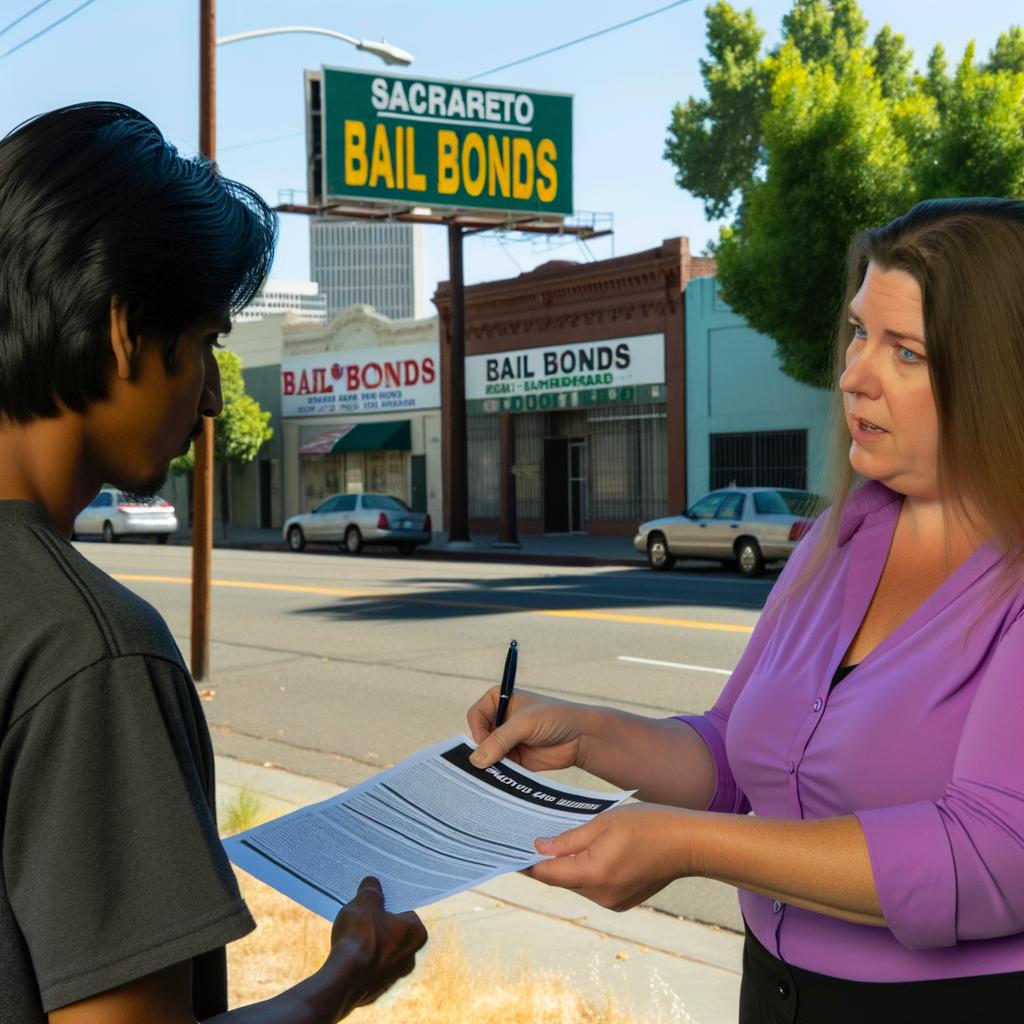
Support can also suggest saying no. If an offender asks you to pass a message to the safeguarded individual, refuse and advise them of the order. If they insist the victim invited contact, call the legal representative and the bail bondsman before anyone does anything. Borders conserve instances, and they can save partnerships over time by keeping both parties secure till the court finishes its work.
A short word on ethics and advocacy
Defense legal representatives stroll a line between zealous campaigning for and injury decrease. The most effective ones incorporate both. They push for the least limiting conditions, then spend equivalent power assisting the client live within those limits. Bondsmen that see themselves as part of that group, not just fee collection agencies, elevate the odds that a situation proceeds without crisis. That suggests keeping documents, offering reminders before holidays and court days, and flagging concerns early. The values guidelines for legal representatives and the licensing policies for bail bondsmans differ, but both collections highlight honesty with the court and with clients. A system built on depend on needs that bedrock, specifically when emotions run hot.
When cases end and orders remain
A no-contact order enforced as a condition of bail usually runs out when the case closes, however not constantly. If a court provides a different criminal safety order as component of sentencing, or if a civil security order exists, those can stay. Accuseds typically think that dismissal of fees liquifies everything. That presumption results in post-case violations and new fees. At the end of a case, guidance needs to validate in writing which orders lifted and which still stand. A qualified duplicate assists when an interested law enforcement agent runs a name during a website traffic quit months later.
From the bond side, completion of the situation normally suggests exoneration of the bond. Reimbursements flow according to the arrangement and the territory's rules. Charges paid to the bondsman are normally nonrefundable. Collateral returns once the court vindicates the bond and any outstanding equilibriums or recuperation expenses are gotten rid of. Households ought to maintain every invoice, due to the fact that administrative mistakes occur, and clean documentation speeds resolution.
Final ideas from the trenches
No-contact orders and bail conditions are blunt tools put on fragile circumstances. They do not recover relationships, yet they can prevent injury and maintain an instance while the realities are arranged. Success originates from unglamorous habits: precise details, fast logistics, practical borders, and stable guidance. The lawful system compensates those routines greater than dramatic speeches. If you are an accused, welcome the boring. If you are household, invest in framework. If you are a bondsman, document and communicate. And if you are advise, equate court language into every day life for your customer, due to the fact that a clear intend on paper only matters if it endures a Tuesday evening disagreement, a school pickup change, or a stray notification on a phone.
The margin between conformity and infraction is thinner than people anticipate, particularly in small neighborhoods and co-parenting scenarios. Treat that margin with regard. Establish systems that make the right selection the simple option. When succeeded, a no-contact order ends up being a guardrail instead of a tripwire, and a bond becomes an assurance maintained rather than a financial debt waiting ahead due.
ABBA Bail Bonds 900 Avila St STE 101 Los Angeles, CA 90012 (213) 296-0901 https://abbabailbonds.com